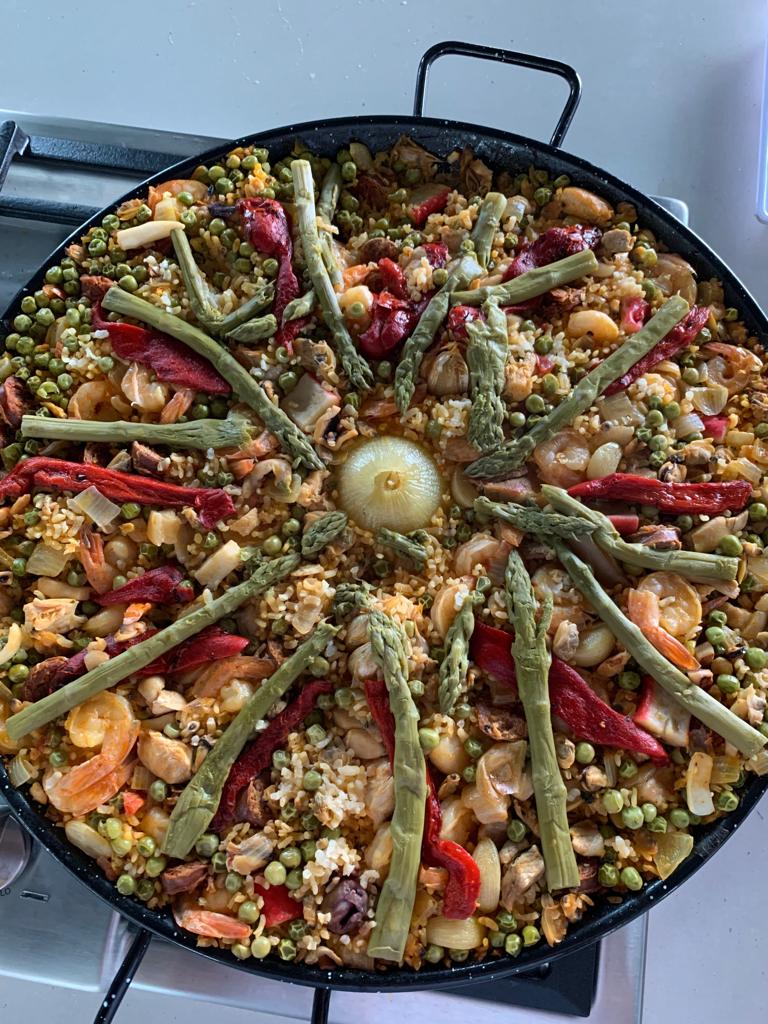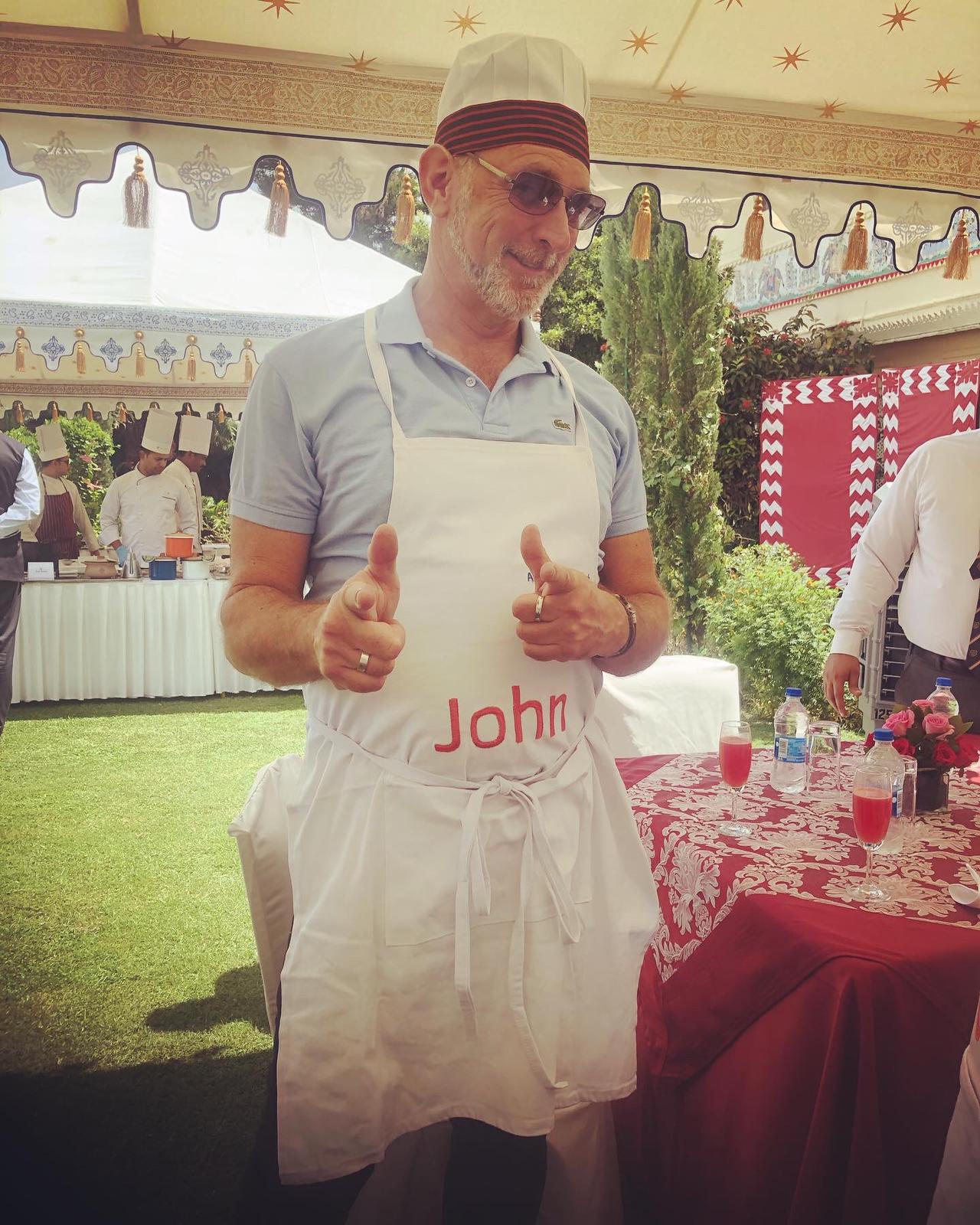
There is a profound truth in the way Anthony Bourdain approached the globe: to understand a culture, you must pull up a chair to its table, share its language of spices, and learn the stories behind its daily bread.
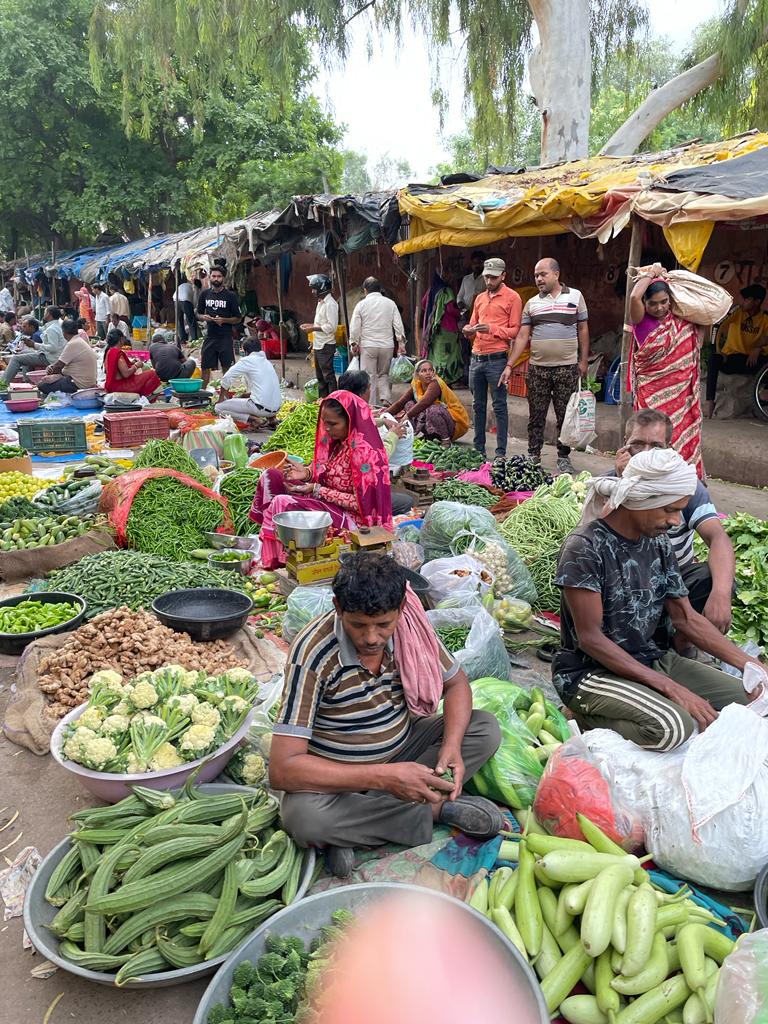
Bourdain taught us that food is not merely sustenance, but a passport to human connection—a way to bypass the sanitized tourist traps and step directly into the beating heart of a community.
Not merely sustenance.A passport.
Rather than treating destinations as backdrops for sightseeing, he sought out the messy, beautiful reality of shared kitchens, where strangers become friends over a hot stove and a common curiosity.
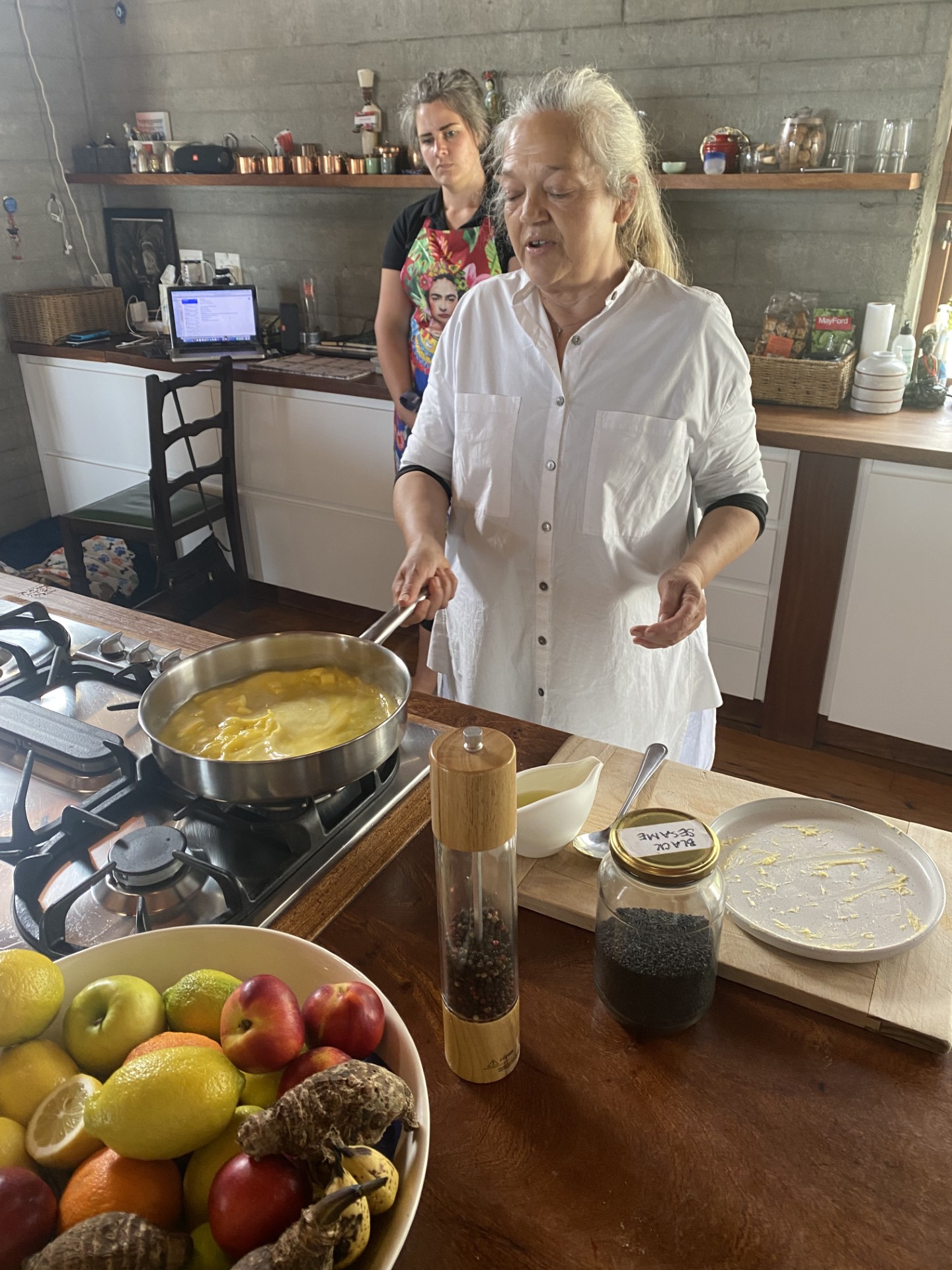
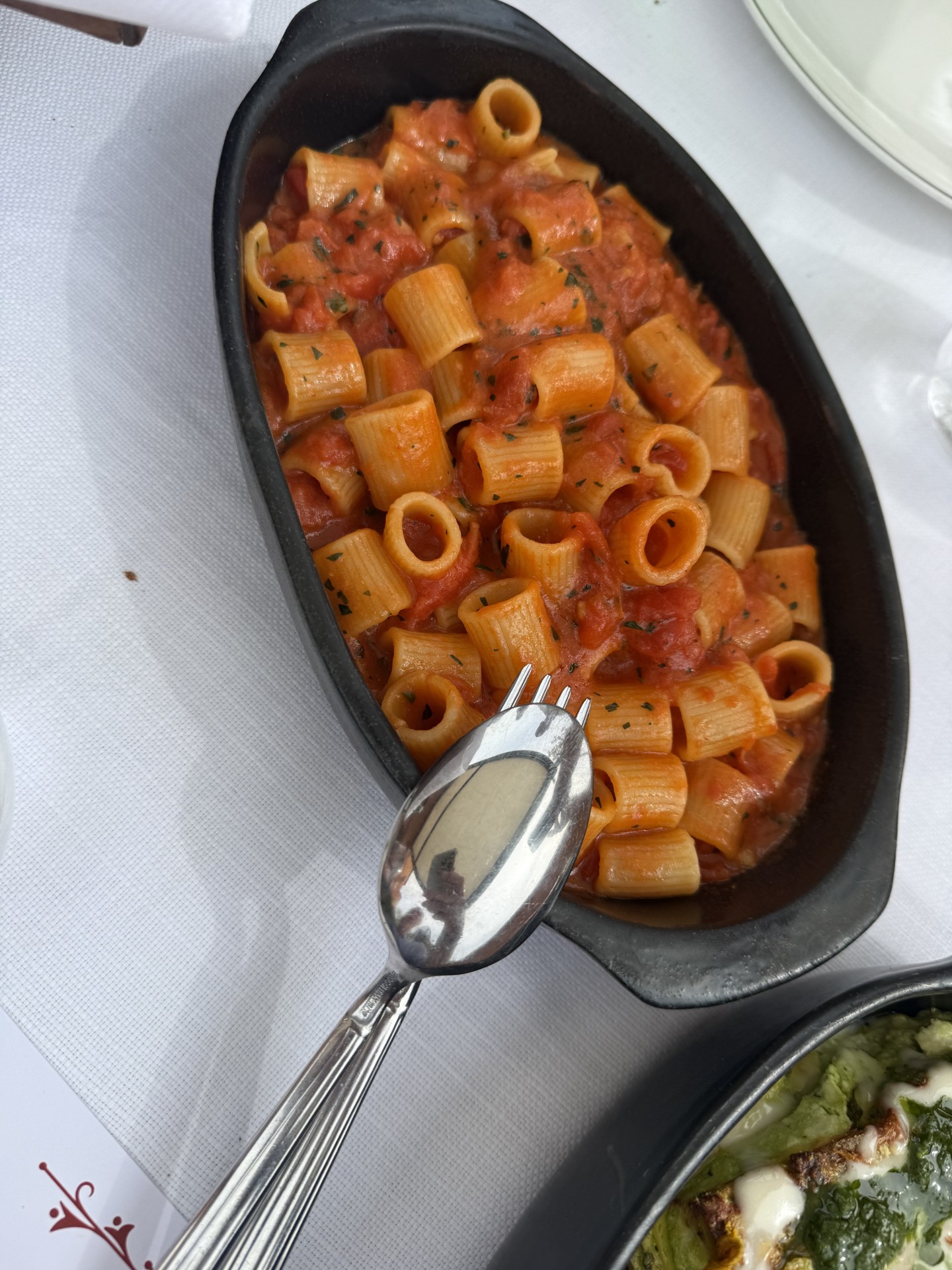
Today, taking a cooking class while traveling has become the ultimate homage to that ethos. When you tie an apron in a bustling Roman piazza, a steamy Bangkok shophouse, or a quiet Oaxacan courtyard, you trade the role of a passive observer for that of an active participant.
You learn why a specific chili is pounded with reverence, how grandmother’s recipes are guarded like state secrets, and why certain ingredients tell the story of geography, hardship, and triumph. It is an immersive, sensory-rich education that textbooks and travel guides simply cannot replicate.
Gratitudeis a global dialect.
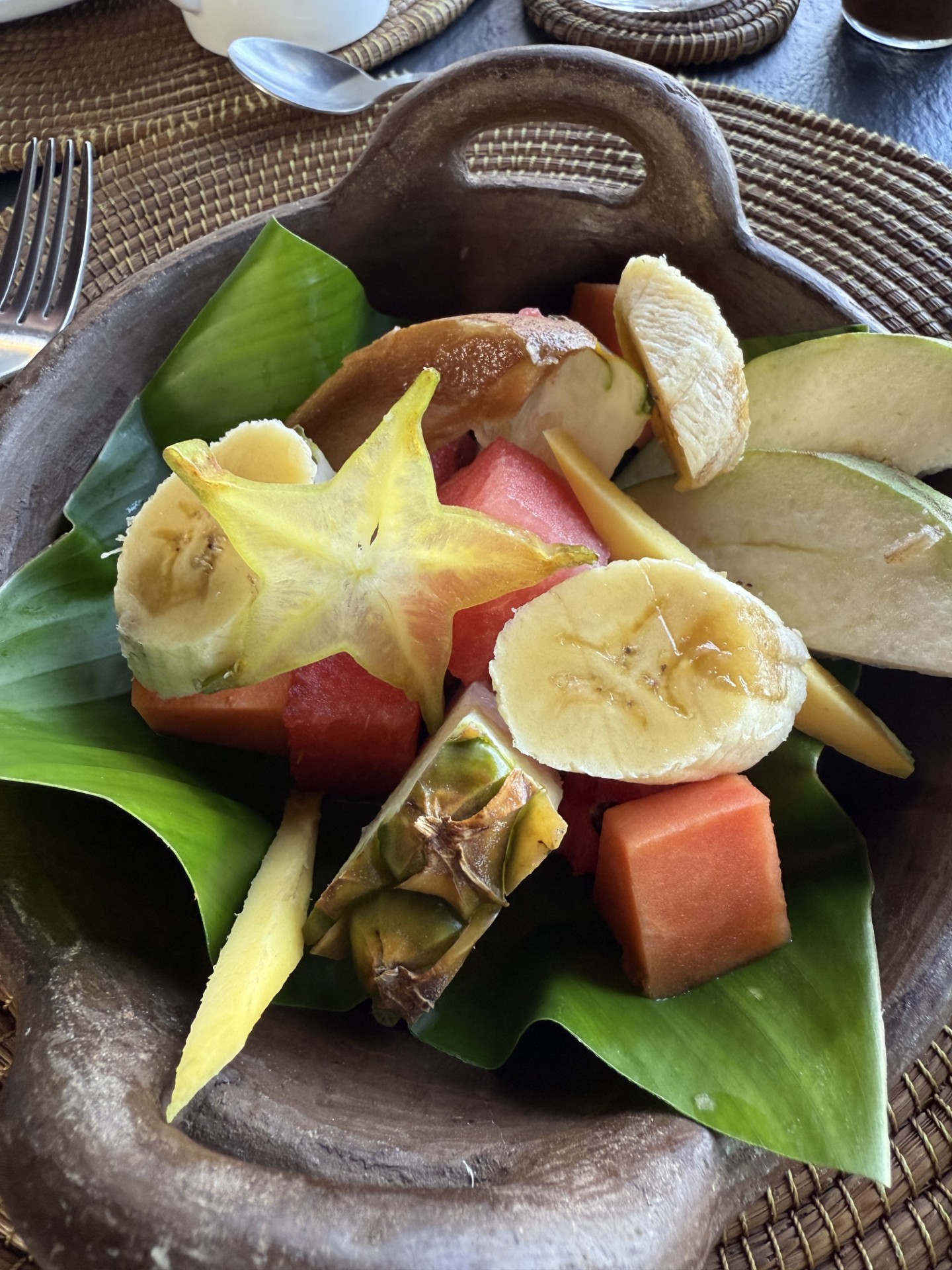
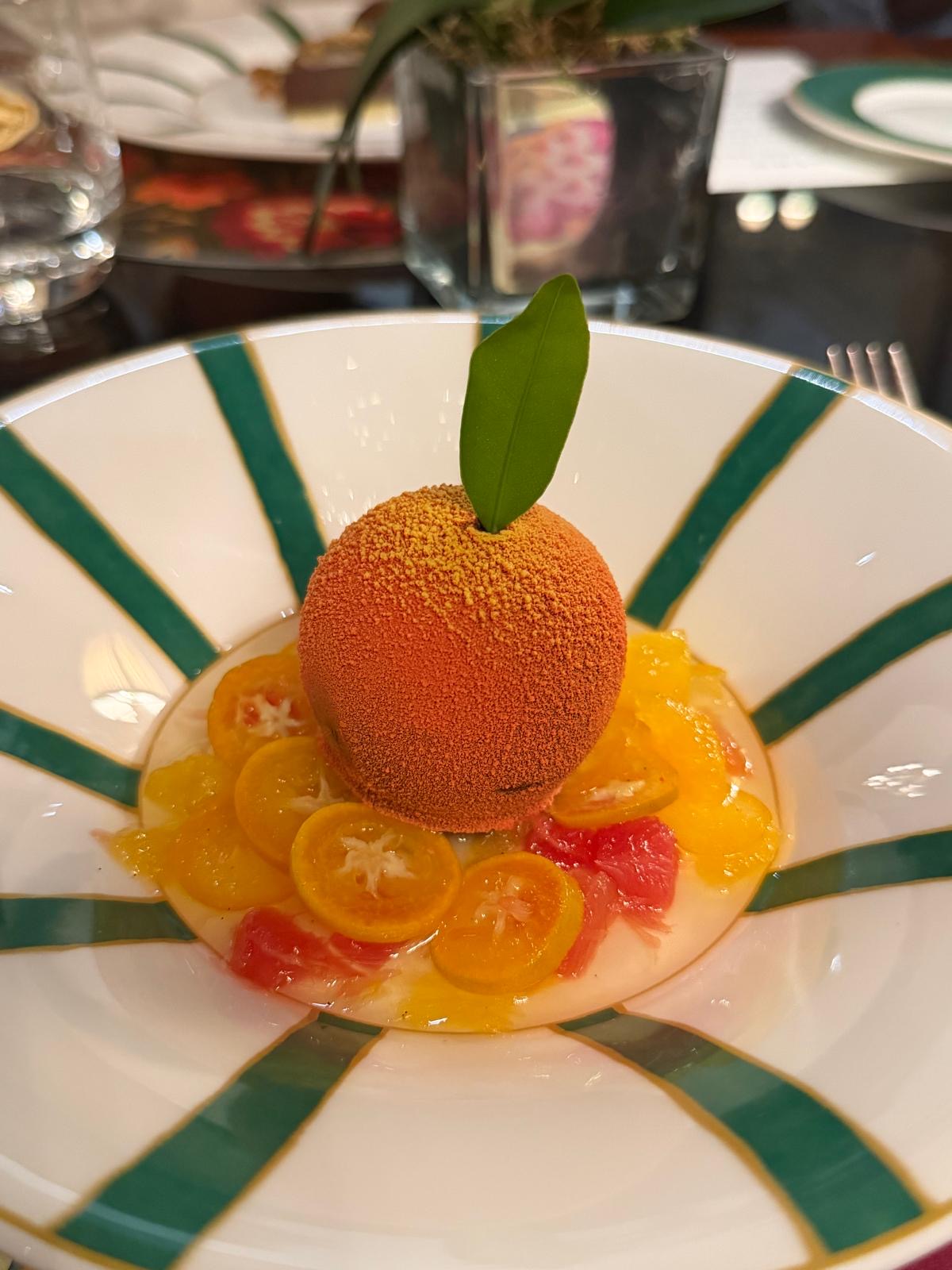
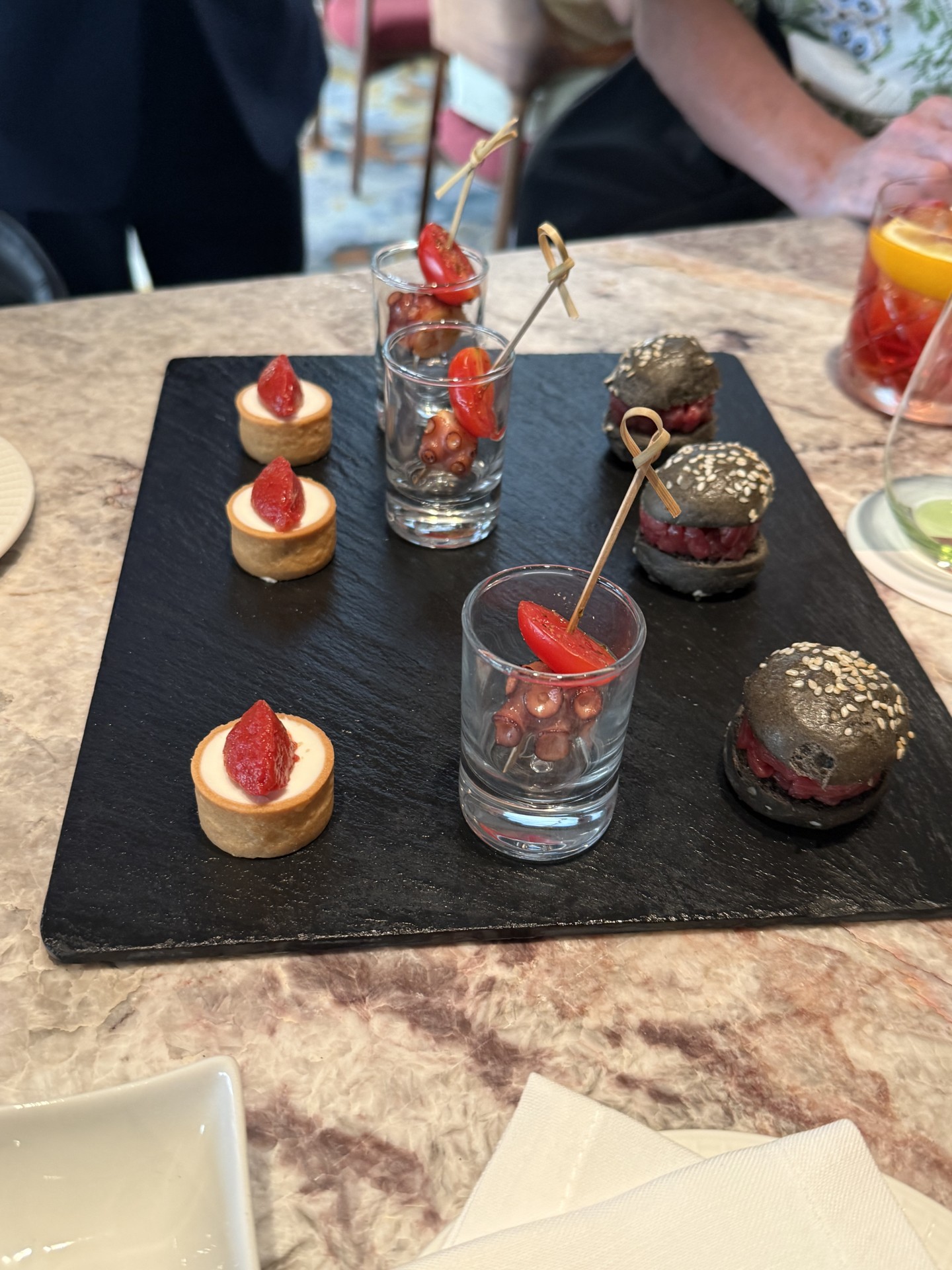
There is a distinct Thanksgiving spirit embedded in this culinary journey—one that mirrors the holiday’s deepest traditions of gratitude and storytelling. Just as we gather at home around a roasted feast to give thanks for our blessings and share our histories, cooking abroad reminds us that gratitude is a global dialect.
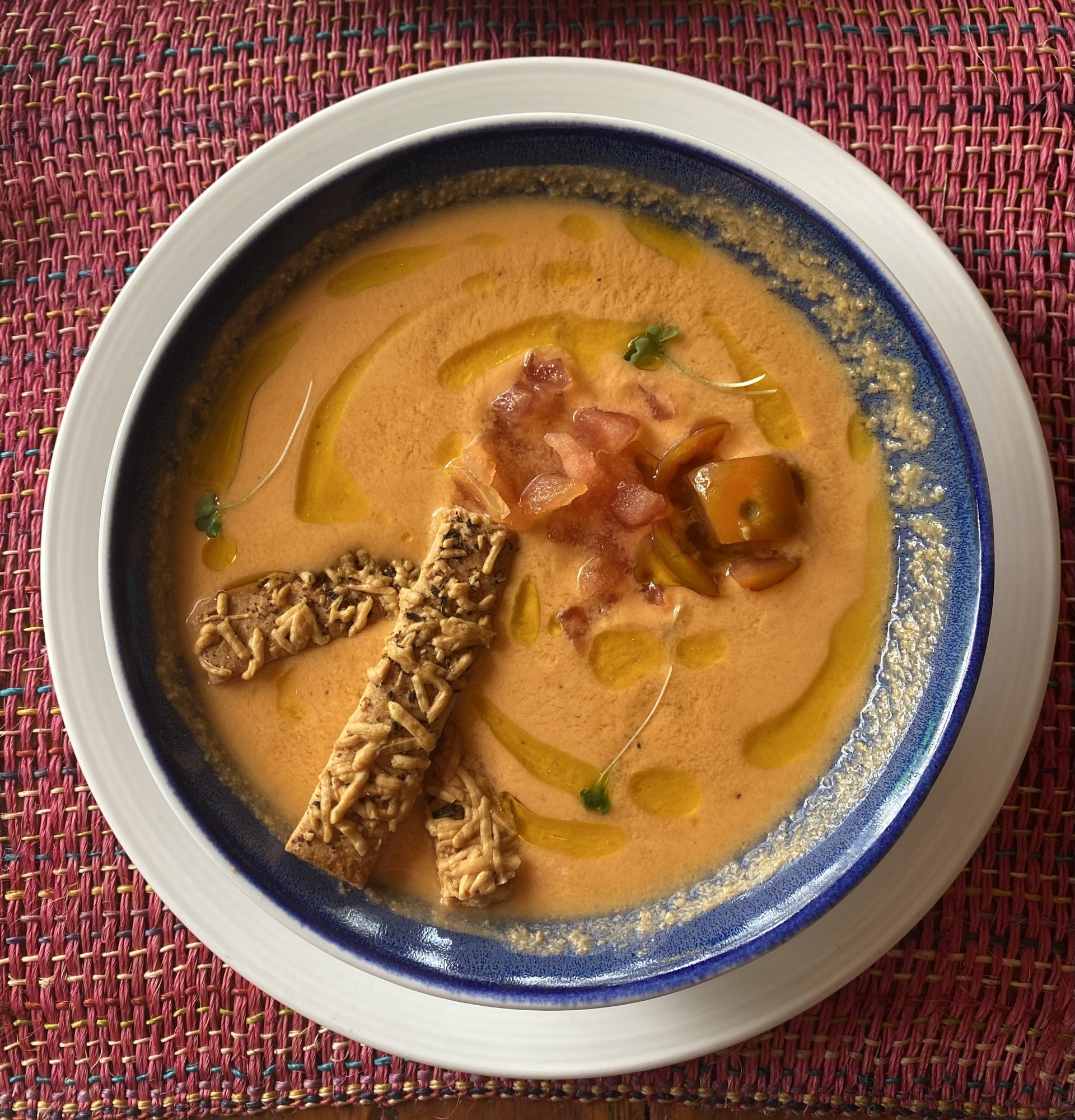
You learn to appreciate not just the food on your plate, but the hands that harvested the grain, the traditions that shaped the recipe, and the warm hospitality of strangers who welcome you into their culinary home as if you were family.
Ultimately, these culinary workshops offer more than just a souvenir recipe to take back home; they gift you a lasting lens through which to view the world. You leave with grease on your fingers, flour on your clothes, and a deeper, more empathetic appreciation for the hands that feed us globally.
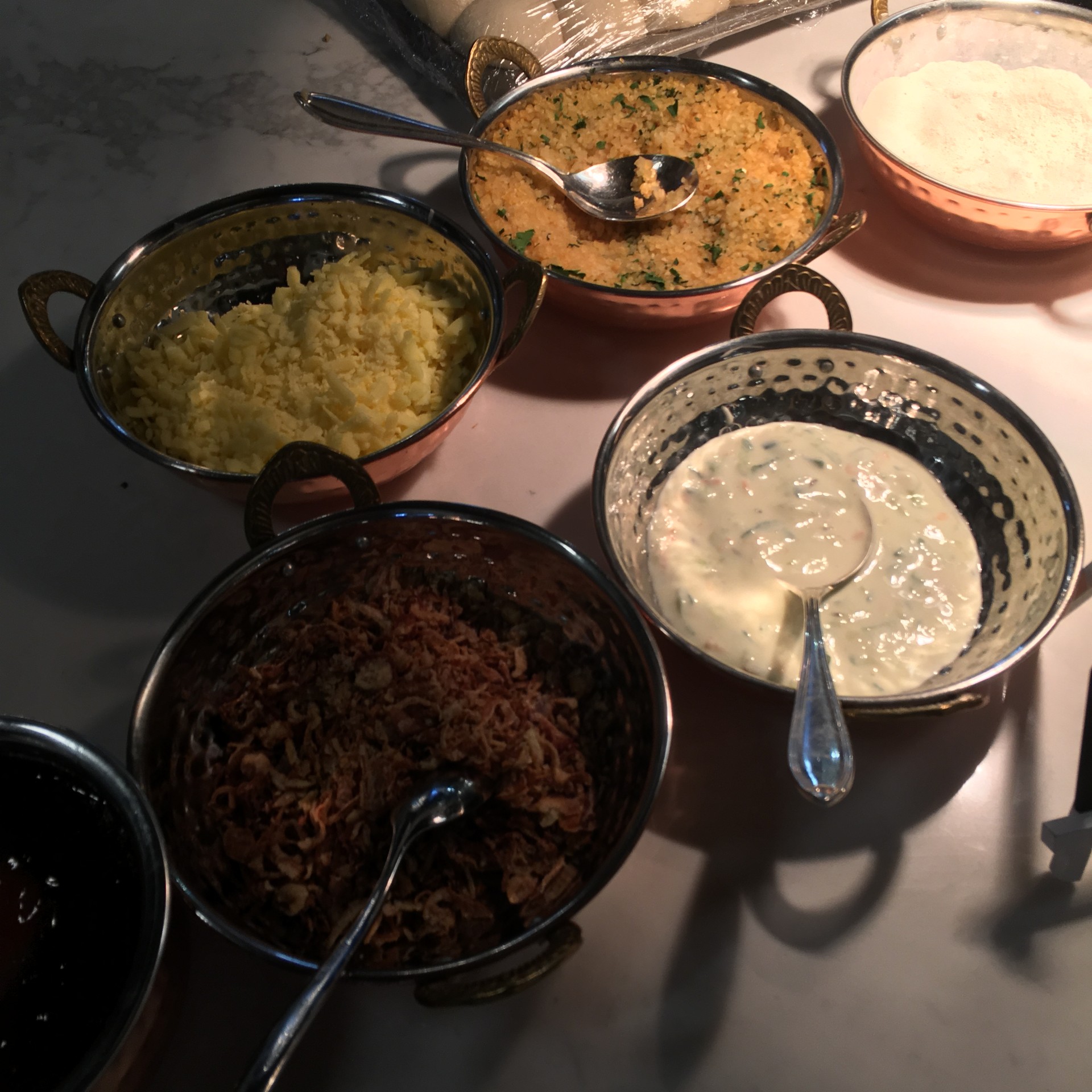
In the spirit of Bourdain’s enduring philosophy, cooking abroad reminds us that despite our different backgrounds, we all speak the universal language of nourishment—proving that the best way to experience a culture is to roll up your sleeves, dive into the ingredients, and cook like you belong there.